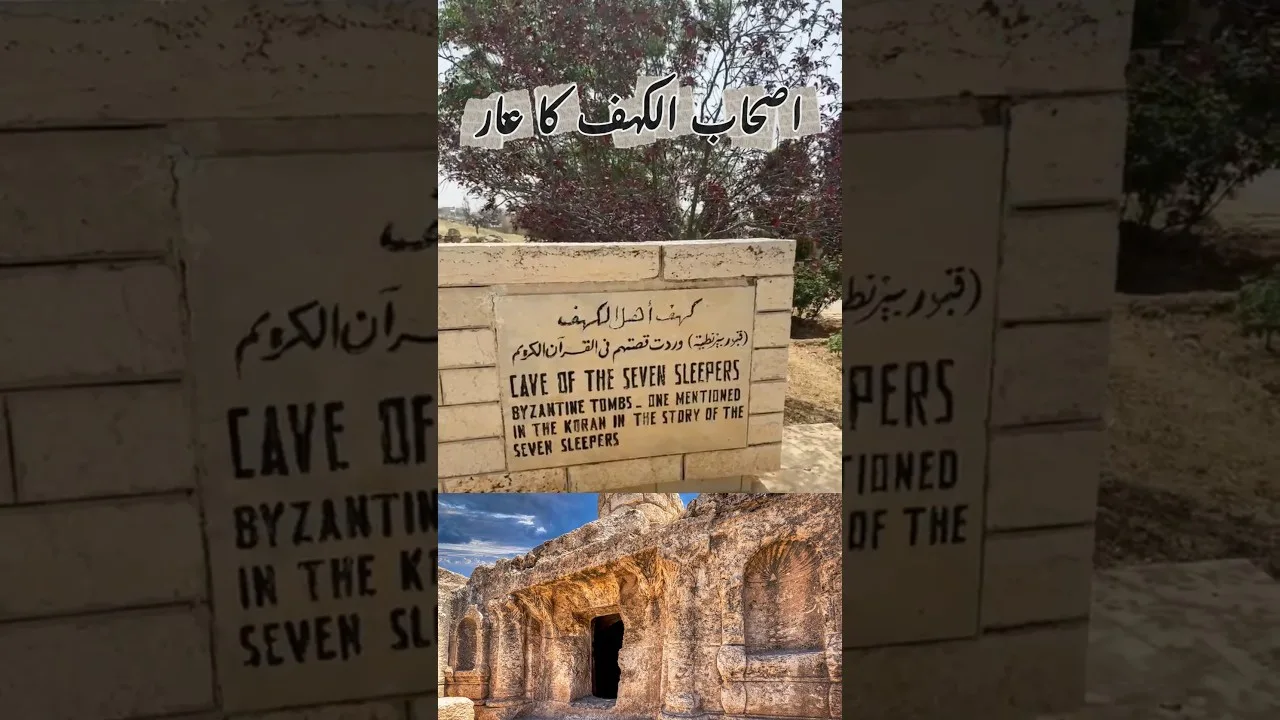
Standing at the entrance of this ancient cave in Amman, I felt the weight of centuries pressing down on me. This is the Cave of the Seven Sleepers, known in Arabic as Ashab al-Kahf, one of the strongest candidates for the miraculous location mentioned in Surah Al-Kahf. While several sites across the world claim this distinction, the evidence here in Jordan is compelling. From the cave's name matching Quranic text to the remarkable way sunlight moves around it, this place demands attention from anyone seeking to connect with Islamic history.
When Young Believers Vanished Underground
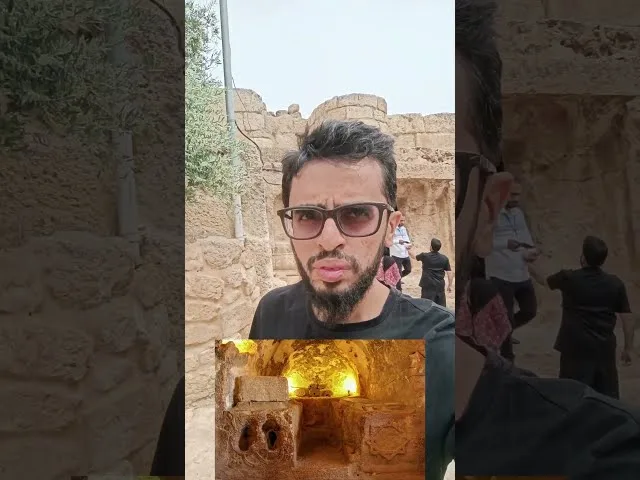
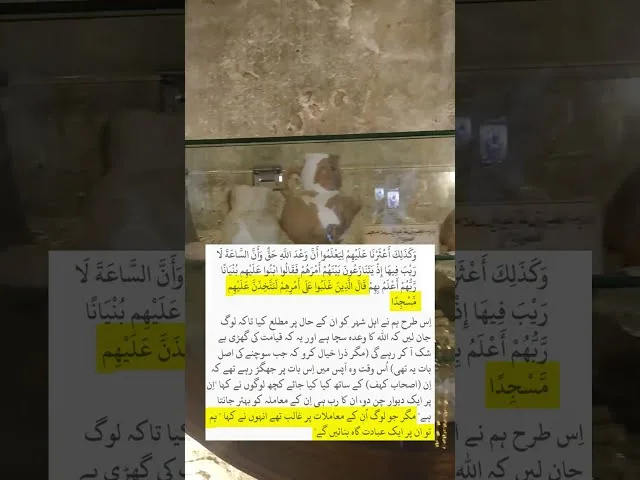
The story of Ashab al-Kahf tells of young believers who fled religious persecution during the Roman era, seeking refuge in a cave where Allah caused them to sleep for approximately 300 years. When they awoke, their world had completely transformed. The cave site near Amman, locally known as Al-Raqim, carries a name that directly corresponds to the Quranic verse: "Or have you thought that the companions of the cave and the inscription (al-Raqim) were among Our signs a wonder?" (18:9). Archaeological evidence suggests this site was significant during the Byzantine period, roughly 4th to 7th century CE. Roman-era structures surround the cave, and archaeologists have identified remains of what appears to be an ancient church built directly over the site, consistent with the Quranic mention: "We will surely build over them a masjid (place of worship)" (18:21). The Umayyad Caliphate (661 to 750 CE) reportedly constructed two mosques here, one directly above the cave and another facing it. The cave contains several sealed tomb chambers, traditionally believed to hold the remains of the sleepers, though the exact number has been a matter of scholarly debate throughout Islamic history.
How Quranic Geography Matches Reality
What makes this Jordanian cave particularly compelling is how precisely it matches Quranic descriptions. The holy text describes the sun rising to the right of the cave and setting to its left, keeping the sleepers protected from direct sunlight. Remarkably, this north-facing cave does exactly that. The sun never directly enters the main chamber. The Quran uses the word 'fajwa' meaning a spacious opening, and the cave features exactly this: a wide entrance with a ventilation hole in the ceiling that maintains temperatures between 15 to 20°C even when outside temperatures reach 40°C. The Quran calls this a sign from Allah: "That is from the signs of Allah" (18:17). For Muslims, visiting this site offers a tangible connection to Surah Al-Kahf, which millions recite every Friday. The cave serves as a powerful reminder of Allah's ability to protect believers and His power over time itself. For history enthusiasts, it represents a fascinating intersection of Roman, Byzantine, and early Islamic civilizations.
Did You Know? The cave's natural ventilation system through the ceiling hole creates such consistent temperatures that it stays between 15-20°C inside regardless of season , a natural air conditioning system that may have helped preserve the sleepers for their miraculous 300-year rest.
Getting to Abu Alanda Today
The cave is located in Abu Alanda, southeast of Amman, approximately 20 minutes from the city center. Visitors can access the site daily, and modest dress is recommended as it remains a place of religious significance. The underground chambers stay cool year-round, making it comfortable even during Jordan's hot summers. Combine your visit with nearby sites like the Citadel of Amman or continue to Bahr al-Mawta (the Dead Sea area), another historically significant location. Local guides can provide additional context about the archaeological findings and Islamic traditions associated with the cave.