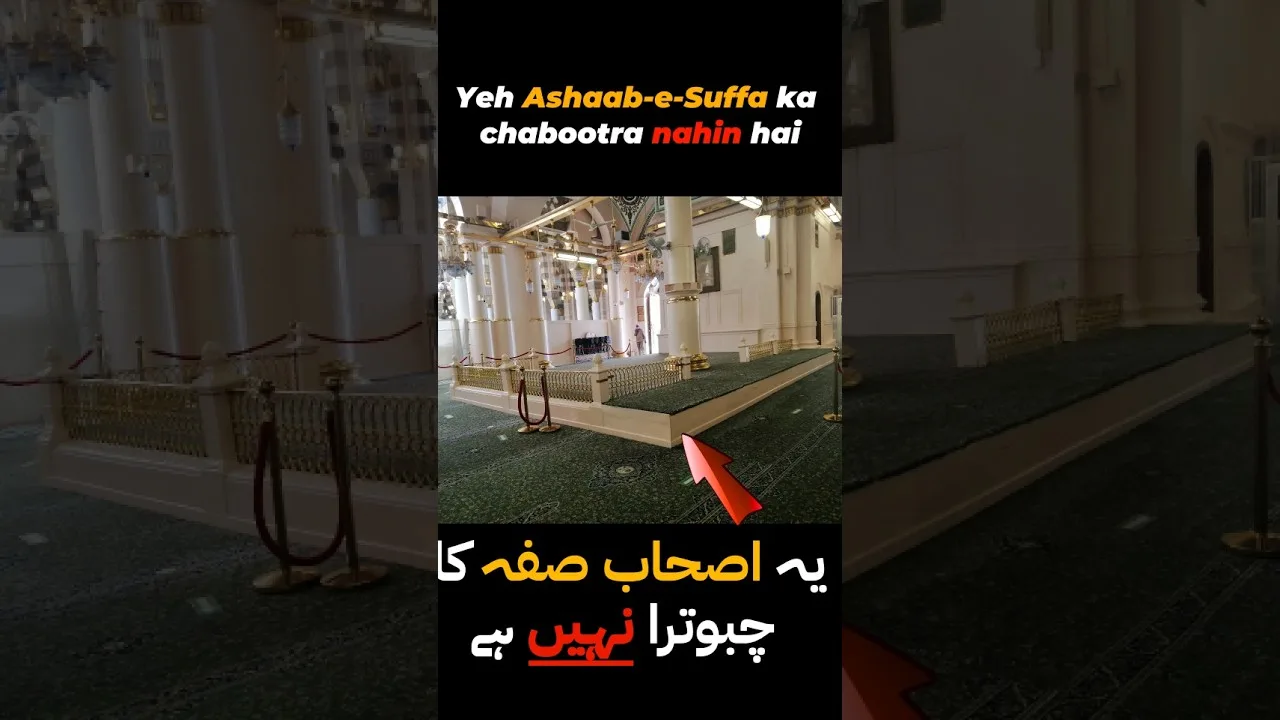
I was standing in Masjid Nabawi when someone pointed to a raised platform. They said this is where the Ashab al-Suffah used to sit. I had heard this many times before. But something felt off. I started digging into the history. What I found surprised me. This platform is not what most people think it is. Let me share what I learned with you today. It changed how I see this beautiful mosque.
When The Qibla Changed Direction
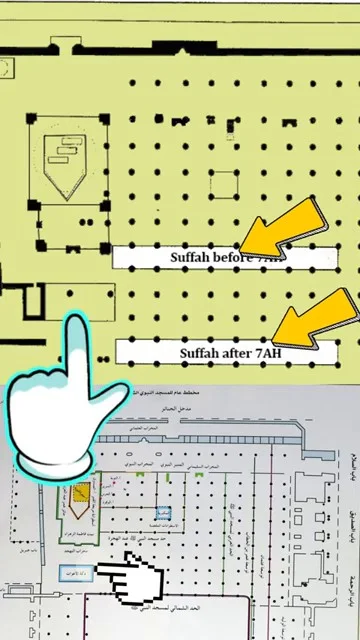
When Prophet Muhammad (peace be upon him) first built Masjid Nabawi, the qibla faced Masjid al-Aqsa in Jerusalem. This was the opposite direction of today's qibla. The Ashab al-Suffah, poor companions who lived in the mosque, had their spot at the back. Then something big happened in 2 Hijri. Allah commanded the change of qibla towards Makkah. The mosque was rebuilt. Now the Suffah platform moved to what became the new back side. After the Battle of Khaybar in 7 Hijri, the Prophet expanded the mosque again. The Suffah area shifted even further back. Here is where people get confused. The platform you see today is called Dakkatul Aghawat. It means the Platform of the Eunuchs. This was added much later in Islamic history. The Aghawat were special servants who guarded and maintained the mosque. They served the Prophet's mosque for centuries. This platform was their duty station. They would sit here and manage different tasks. The real location of Ashab al-Suffah is actually in a different area of the current mosque. If you look at modern maps, the Suffah location falls in a completely separate spot. The Ottoman rulers added many features to the mosque. Dakkatul Aghawat was one of them. It served a practical purpose for mosque administration.
Why Poverty Became Sacred Here
This matters because truth matters. When we visit holy places, we want to connect with real history. Imagine the Ashab al-Suffah. These were companions who gave up everything. They had no homes. They had no wealth. They lived in the mosque to learn from the Prophet. Names like Abu Hurairah come from this group. He narrated thousands of hadiths. Knowing their real location helps us feel closer to them. The Dakkatul Aghawat also has its own beautiful story. The Aghawat dedicated their lives to serving the mosque. For hundreds of years, they protected this sacred space. Both places deserve respect. Both have meaning. But we should know which is which. When you pray in Masjid Nabawi, this knowledge adds depth. You understand the layers of history beneath your feet. Every corner has a story. Every expansion changed something. Learning these details makes your visit more meaningful.
Did You Know? The word Aghawat refers to the eunuch servants who served in the Two Holy Mosques for over 1,000 years. This tradition only ended in recent decades, and very few people know about their incredible service.
Spotting The Real Suffah Platform
When you visit Masjid Nabawi, do not just follow the crowd. Take time to understand what you are seeing. The raised platform near the back is Dakkatul Aghawat, not the Suffah area. Ask local guides if you want to find the approximate Suffah location. Early morning is best for exploring quietly. The mosque gets very crowded after Dhuhr. Wear comfortable shoes you can remove easily. Keep water with you. And please, share correct information with others.