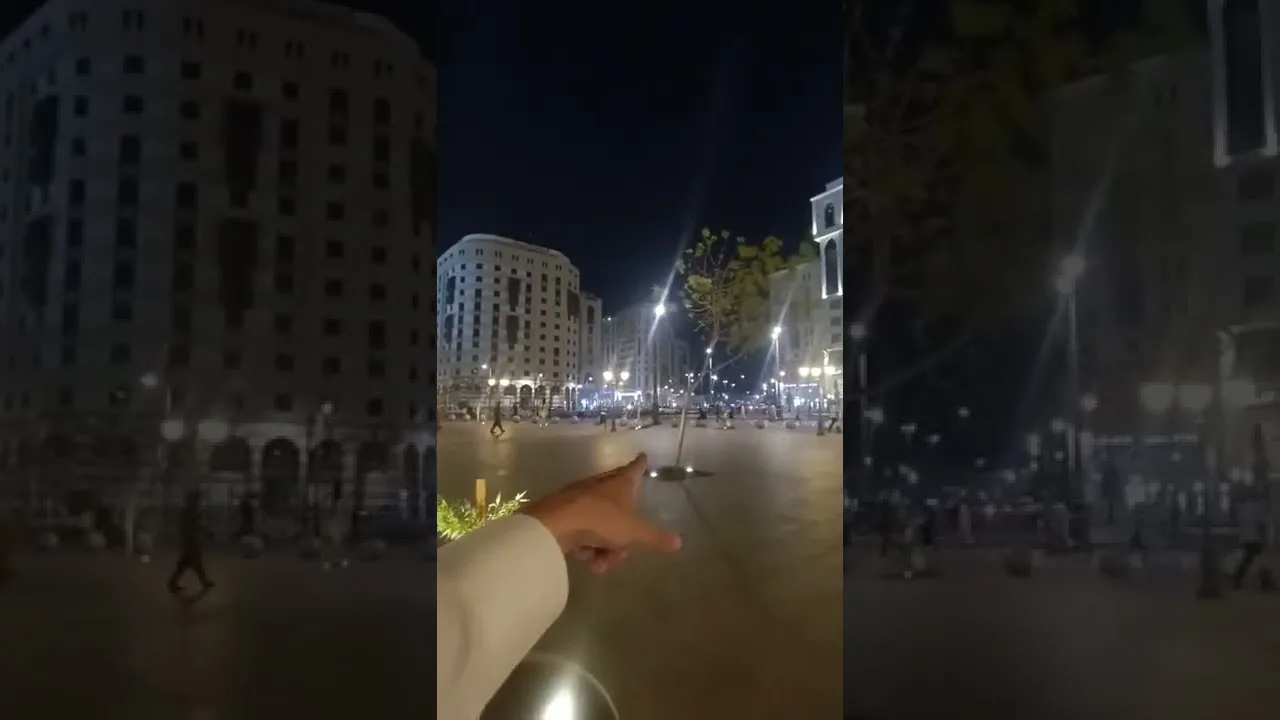
A friend once asked me something that made me think. Why are there so many small mosques around Masjid Nabawi? I was standing near the square, looking around. I could count five or six mosques within just a few hundred meters. Masjid Abu Bakr behind me. Masjid Ali nearby. Masjid Umar just ahead. Masjid Bilal a bit further. It felt like every corner had a mosque with a famous name. And there is a beautiful reason for this. Let me tell you the story.
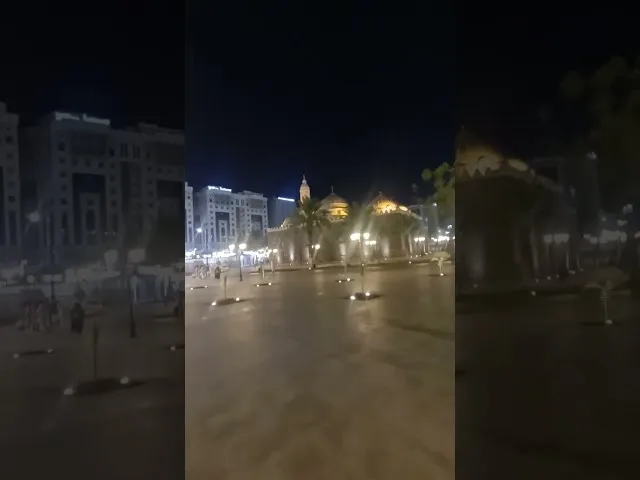
Umayyad Era Mosques Around the Prophet's Mosque
This goes back to the time of Hazrat Umar bin Abdul Aziz. He was the eighth Umayyad caliph. He ruled from 717 to 720 CE. People called him the fifth rightly guided caliph because of his justice and piety. During his rule, he made an important decision about Madinah. He wanted to preserve every place where Prophet Muhammad (peace be upon him) had prayed. So he ordered that mosques be built on these spots. If the Prophet had offered even one prayer somewhere, that place became special. Umar bin Abdul Aziz turned most of these locations into mosques. He also marked places where important events happened in Islamic history. Think about it. The Prophet lived in Madinah for about ten years. He prayed in many different locations during this time. He visited companions. He traveled within the city. Each spot where he prayed became a memory worth saving. Some mosques mark where famous companions like Abu Bakr, Umar, Ali, and Bilal had their homes. The Prophet would visit them and pray there. Back then, this area had a good population. People needed mosques close to their homes for daily prayers. So having many small mosques made sense. Over time, the population shifted. The city grew in different directions. But these small mosques remained as markers of history.
Walking Through 1400 Years of Islamic Leadership
These mosques are like living history books. Each one tells a story from 1400 years ago. When you stand in Masjid Abu Bakr, you remember the first caliph. When you visit Masjid Ali, you think of the fourth caliph. Masjid Bilal reminds us of the first muezzin in Islam. For Muslims, these places connect us to our past. We walk the same streets the Prophet walked. We pray where he prayed. It makes our faith feel real and close. For history lovers, this area is a treasure. You can understand how early Muslims lived. You see how close the companions were to each other. The small distances between mosques show how tight the community was. Umar bin Abdul Aziz gave us a gift. He made sure we would never forget these sacred spots. Without his effort, many locations might have been lost forever. Today, millions of pilgrims visit these mosques every year. They come to feel that spiritual connection.
Did You Know? Umar bin Abdul Aziz was so committed to justice that he returned all wrongfully taken properties to their owners. His two year rule is considered a golden period in Umayyad history.
A Perfect Walking Route From Nabawi
A few of these mosques are within walking distance of Masjid Nabawi. Start from the main square. You can visit Masjid Abu Bakr, Masjid Ali, and Masjid Umar in one short walk. Early morning is the best time. Less crowded and cooler weather. Wear comfortable shoes. The paths are easy but you will walk a lot.
If you have more time and energy, continue along Quba Road. This road leads you all the way to Masjid Quba, the first mosque ever built in Islam. The Prophet ﷺ laid its foundation stones himself. The walk takes around 30 to 40 minutes from the main square. You pass through quiet streets and see more of the old city. It is one of the most rewarding walks you can do in Madinah.