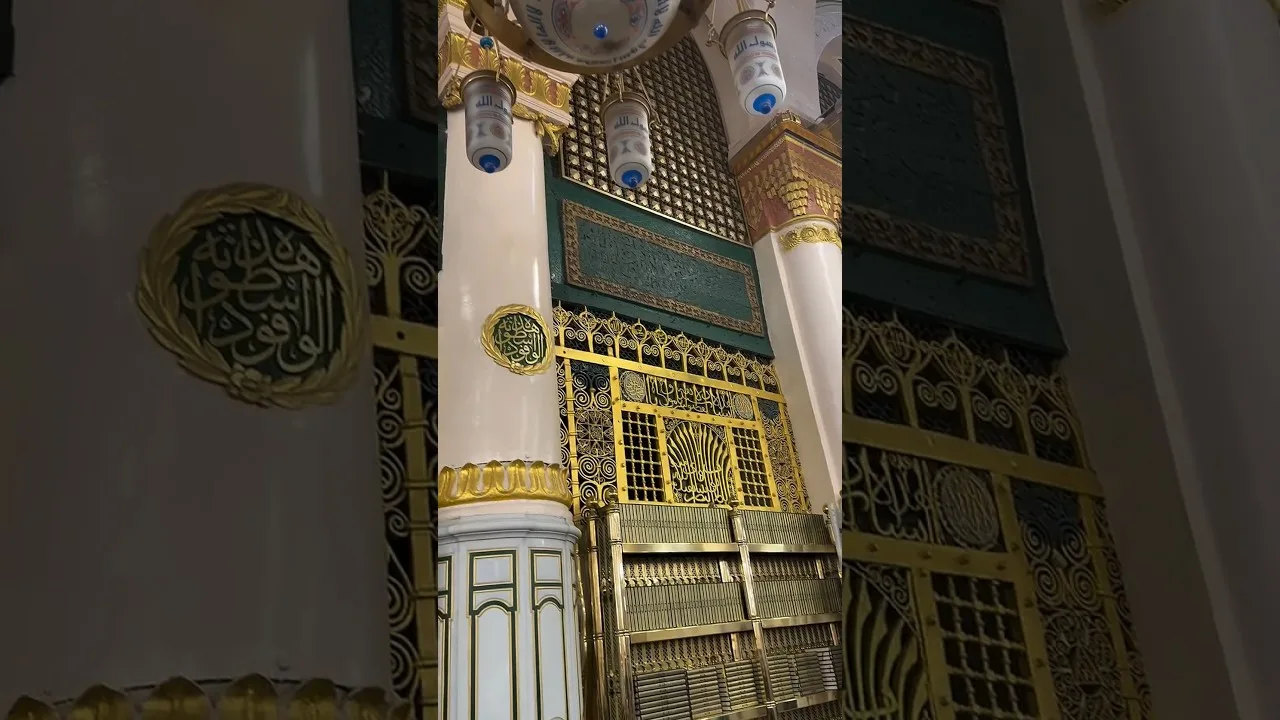
Standing inside Rawdah Jannah, I looked towards the blessed grilles near the Prophet's resting place. My heart was racing. There are special marks on the walls that most visitors walk past without noticing. These marks tell stories from 1400 years ago. Stories about the Prophet Muhammad (peace be upon him), his companions, and the early days of Islam. Let me share what I discovered about the historic pillars and doors that still exist inside this sacred mosque.
From Prophet's Time to Today's Stones
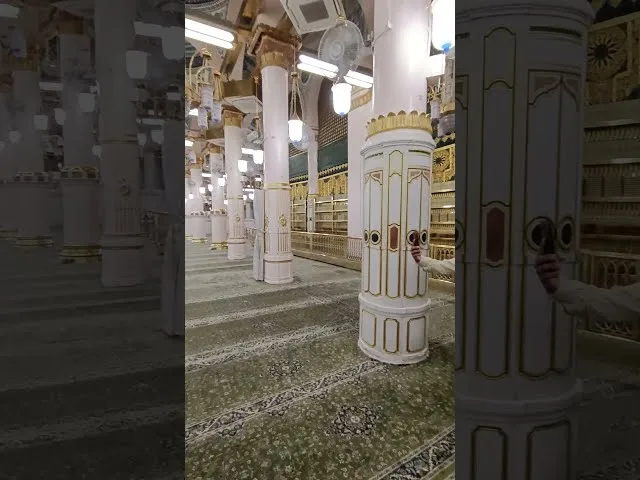
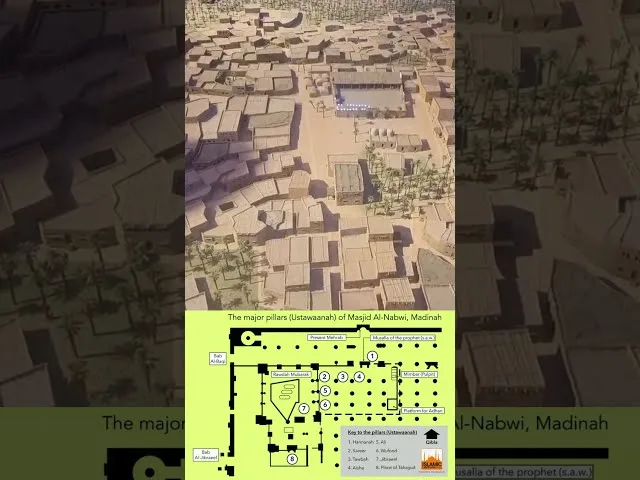
When the Prophet Muhammad (peace be upon him) first built Masjid Nabawi in 622 CE, it was a simple structure. The homes of some companions were built right against the mosque walls. These companions had doors that opened directly into the mosque. Imagine being able to walk from your bedroom straight into the mosque for prayers! But later, the Prophet ordered all these doors to be closed. Only two doors remained open. One was the door from Hazrat Ayesha's room. The other belonged to Hazrat Abu Bakr Siddiq, the closest friend of the Prophet. This was a great honor for Abu Bakr. Even today, one of the main doors of Masjid Nabawi is named after him, Bab Abu Bakr. Inside the mosque, there are special pillars with deep history. The Ustuwanah Wufud, or Pillar of Delegations, marks where the Prophet would meet visitors from other tribes and lands. People would travel for weeks just to meet him here. Next to it is Ustuwanah Haris, the Pillar of the Guard. Companions would stand here to protect the Prophet during prayers. Hazrat Ali bin Abi Talib often stood guard at this spot. So this pillar is also called Ustuwanah Ali bin Abi Talib. During the Ottoman period, the mosque was expanded many times. The Ottoman rulers were very careful. They made sure to mark all historically important spots. They added signs and marks that visitors could see without disturbing their prayers.
Standing Where Tribal Leaders Once Gathered
These pillars and doors are not just old stones and wood. They connect us directly to the time of the Prophet. When you stand near Ustuwanah Wufud, you are standing where tribal leaders once sat with the Prophet. They asked questions, accepted Islam, and changed history right there. The Pillar of the Guard reminds us of the love companions had for the Prophet. They would stand for hours, ready to protect him with their lives. Hazrat Ali was among the bravest of them. For Muslims, visiting these spots brings the stories of Islam to life. We read about these companions in books. But seeing the actual places makes everything feel real. It is emotional. Many visitors cry when they realize they are standing where the Prophet once stood. The Ottoman markings help us identify these sacred spots even today. Without these careful signs, we might have lost this knowledge forever.
Did You Know? The Ottoman builders used special painting techniques on the walls and ceilings to mark historic spots. One beautiful painting still exists above a door inside the mosque, showing their dedication to preserving Islamic heritage through art!
Finding the Pillars During Quiet Hours
The Rawdah area gets very crowded. Try visiting during off-peak times like after Isha or early morning. Look for green carpets, that is the Rawdah area. The pillars have Arabic signs above them. Take your time to find each one. Women have separate visiting hours for the Rawdah section. Check the current schedule when you arrive. Wear modest clothes and bring patience. The guards are helpful if you ask politely. Take photos of the markings on the walls near the grilles.