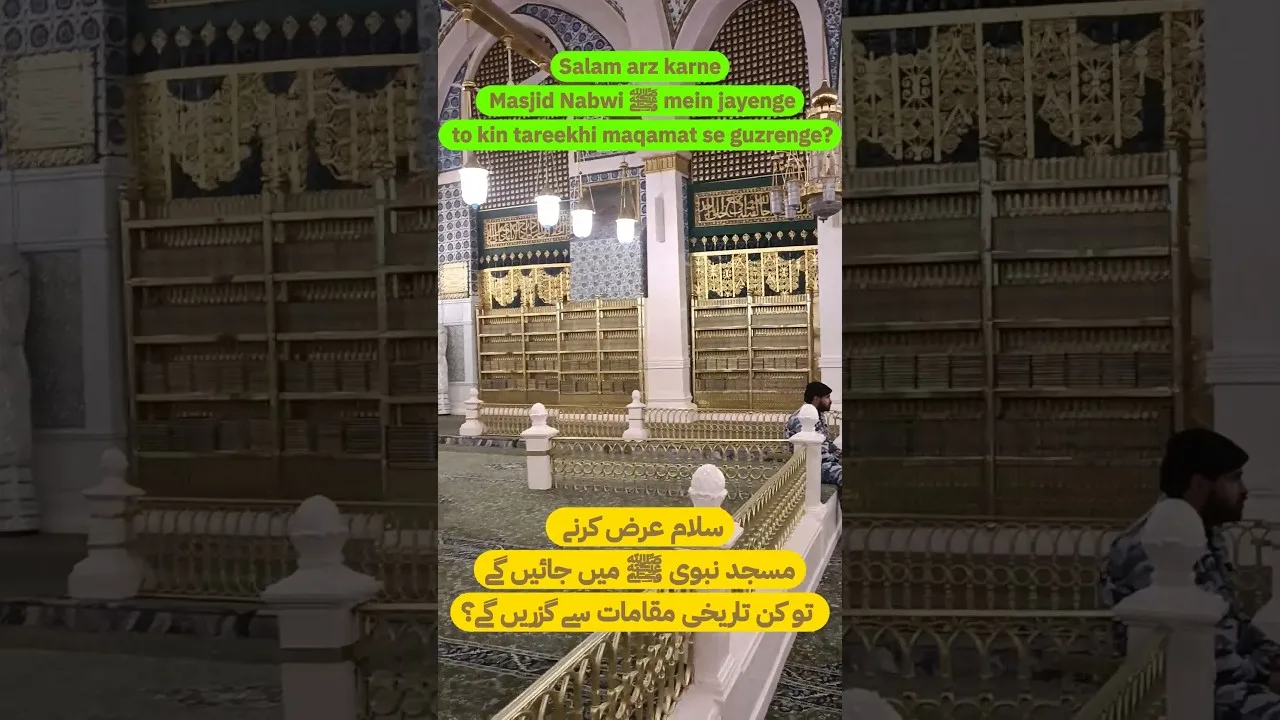
Standing at Bab us Salam, my heart was racing. I was about to walk through 1400 years of Islamic history. Every pillar here tells a story. Every stone has witnessed something sacred. As I entered Masjid Nabawi to present my salaam to the Prophet Muhammad (peace be upon him), I realized most visitors rush through without knowing what they are passing. Let me share what I discovered. These pillars and mihrabs are not just decorations. They are markers of our beautiful history.
From Palm Trunks to Marble Majesty
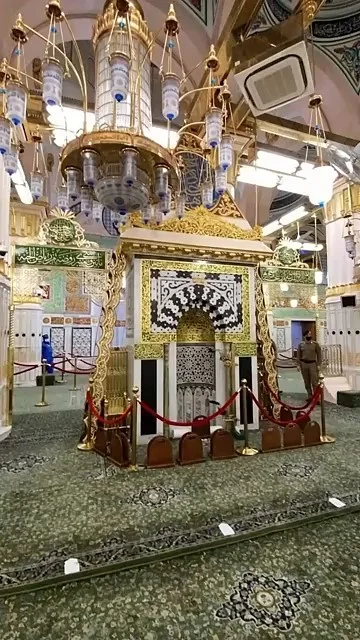
The original mosque was built by Prophet Muhammad (peace be upon him) in 622 CE. It was simple and small. Just date palm trunks for pillars and palm leaves for the roof. Over the centuries, different rulers expanded it. Hazrat Umar (may Allah be pleased with him) was the first to extend the mosque during his caliphate from 634 to 644 CE. He pushed the qibla wall further. Then Hazrat Uthman (may Allah be pleased with him) made another expansion between 644 and 656 CE. He extended it even more towards the current boundary. When you enter from Bab us Salam, you can trace these expansions. Skip one pillar on the left, and the second pillar marks where Hazrat Uthman's extension began. The next pillar shows where Hazrat Umar's expansion started. Skip one more pillar and you will see green markers on top. These show where the original mosque of the Prophet (peace be upon him) ended. The golden markers on the pillars show the mosque boundaries before the first expansion. The Mihrab Sulaymani, which some call Mihrab Hanafi, was added later by a king. It has no historical significance from the Prophet's time. The Mihrab Nabawi marks the spot where the Prophet (peace be upon him) used to lead prayers. Next to it stands a pillar with a plaque. This marks where the crying date palm trunk once stood.
Where the Prophet's Legacy Still Breathes
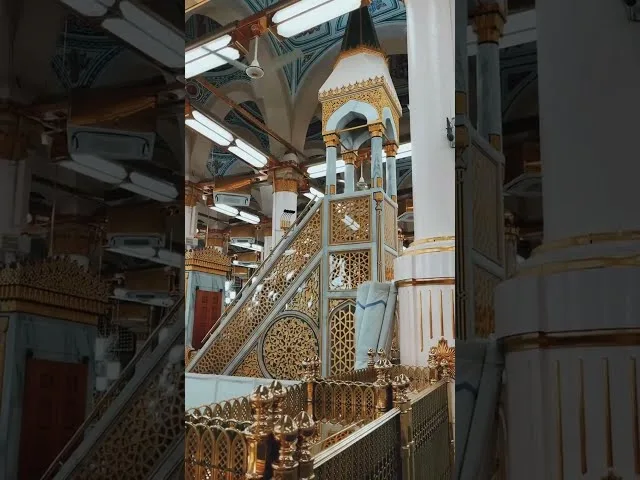
This mosque is the second holiest site in Islam. The Prophet Muhammad (peace be upon him) himself helped build it. He prayed here. He taught here. He is buried here. For Muslims, walking on this ground is walking where the Prophet walked. The Riyadh ul Jannah area between the Prophet's tomb and his pulpit is considered a garden of Paradise. The different pillar designs help you identify this blessed area. Seeing Mihrab Nabawi gives you goosebumps. The Prophet (peace be upon him) stood at this exact spot leading the companions in prayer. Hazrat Umar (may Allah be pleased with him) led prayers between the two mihrabs. The green grilles ahead protect the Roza Rasool, the tomb of the Prophet (peace be upon him). Millions visit yearly to send salutations. Knowing these historical spots makes your visit so much more meaningful.
Did You Know? There is a pillar marking where a date palm trunk used to stand. According to authentic hadith, this trunk actually cried when the Prophet (peace be upon him) stopped using it as a pulpit. The companions heard its weeping sound!
Following the Pillars Through Sacred Chambers
Enter from Bab us Salam for the full historical walk. Look up at the pillars for green and golden markers. Take your time and do not rush. The pillar designs change when you reach Riyadh ul Jannah. Prayer times get very crowded so visit early morning for a peaceful experience. Women have separate visiting hours for the Roza area. Dress modestly and keep your voice low. Photography is not allowed near the sacred chambers.