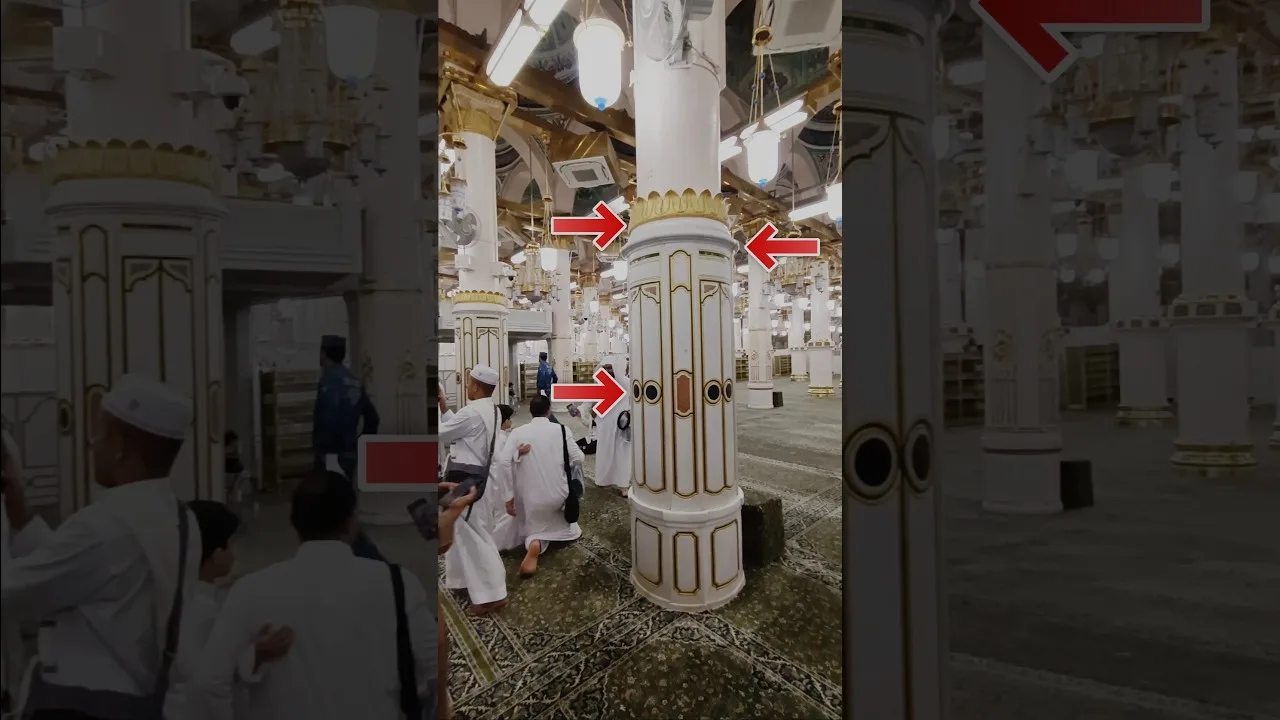
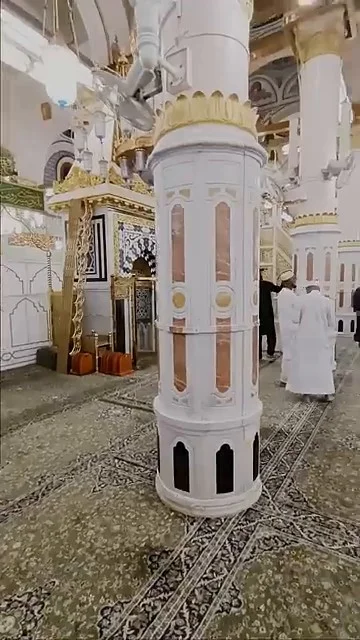
When I stepped into Riyadh ul Jannah, my heart started racing. This is the small sacred area between the Prophet's pulpit and his chamber inside Masjid Nabawi. The whole mosque has green carpet, but this specific section is marked differently. The Prophet Muhammad, peace be upon him, called this place a garden from the gardens of Paradise. I looked around at the old pillars with their beautiful designs. Each pillar has a story. Each one marks a spot where something important happened over 1400 years ago. Standing here, I felt so close to our beloved Prophet. The air felt different. My eyes filled with tears. This tiny piece of the original mosque carries so much love and history.
From Mud Walls to Majesty
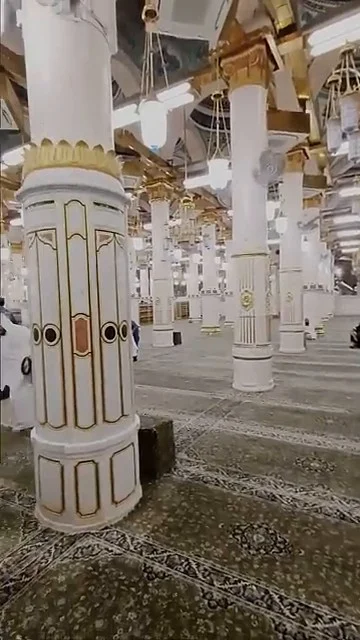
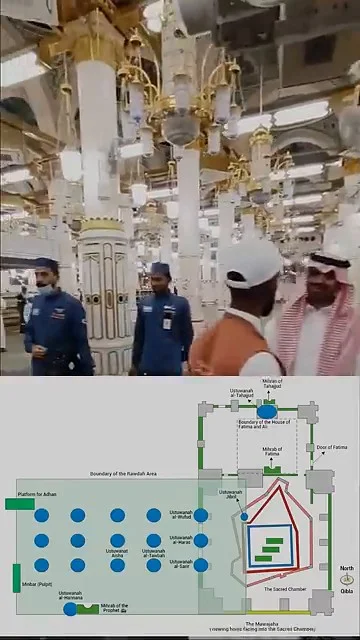
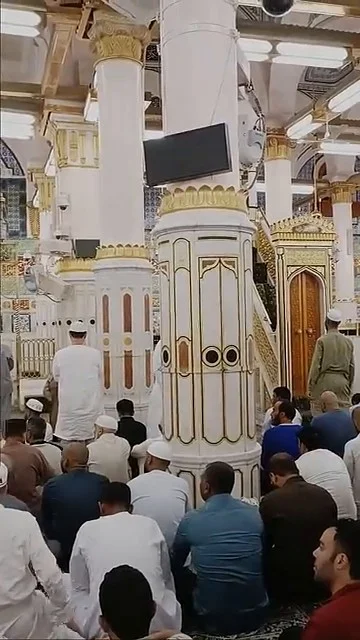
Let me tell you the story of this amazing place. When Prophet Muhammad, peace be upon him, came to Madinah in 622 CE, he built a simple mosque. It had mud walls and palm tree trunks as pillars. The roof was made of palm leaves. It was small but full of blessings. The Prophet prayed here. He taught here. He met his companions here. Over time, rulers expanded the mosque. Caliph Umar made it bigger in 638 CE. Then Caliph Uthman expanded it again in 649 CE. The Umayyad Caliph al-Walid I did a major renovation between 707 and 710 CE. He added beautiful decorations and the first minarets. The Ottoman Sultans also made many improvements over the centuries. But the area of Riyadh ul Jannah stayed protected. The special pillars we see today mark important spots from the Prophet's time. The Ustuwaanah Hannanah marks where the Prophet used to lean against a palm trunk while giving sermons. When a proper pulpit was built, the trunk cried. Yes, it actually cried! The Prophet hugged it to comfort it. Other pillars mark where the Prophet prayed at night, where Jibreel came, and where companions sat. The boundaries of Riyadh ul Jannah today are marked by specific pillars, not the carpet colour since the entire Masjid Nabawi has green carpet.
Why Muslims Weep in This Garden
Why do millions of Muslims cry when they enter this space? Because our Prophet called it a piece of Jannah. He said in a hadith that between his house and his pulpit is a garden from the gardens of Paradise. Can you imagine? A piece of actual Paradise on Earth! Every prayer here carries extra reward. Every moment spent here is precious. The old pillars connect us directly to our history. When you touch them, you touch stones that have seen 1400 years of prayers. Scholars, kings, poor people, and children have all stood here. They all came seeking blessings. The pillar designs tell us which ones are from which period. Ottoman designs look different from Umayyad ones. For history lovers, this is a treasure. For Muslims, this is where we feel closest to our Prophet. He walked on this ground. He prayed in this space. His blessed chamber is right next to it.
Did You Know? The crying pillar, Ustuwaanah Hannanah, actually made sounds like a baby camel crying when the Prophet stopped leaning on it. The companions heard it clearly, and the Prophet had to hug it until it became quiet!
Beating the Crowds at Prayer Times
Getting into Riyadh ul Jannah needs patience. It gets very crowded, especially after Fajr and Maghrib prayers. Go during less busy times like late morning. Women have separate timings, usually after Dhuhr until Asr. Do not push or rush. Everyone wants the same blessings. Pray two rakah if you can find space. Look at each pillar and read about its history. Take your time. Be respectful and keep your voice low. Security guards will guide you. Follow their instructions with kindness.